Most first-time charter clients discover the same thing in the first two days: nobody is going to tell them what happens next. There is no posted schedule and no fixed route, and the captain is waiting to be told. That is the point of a charter, and it is also why the week is decided weeks before anyone steps aboard.
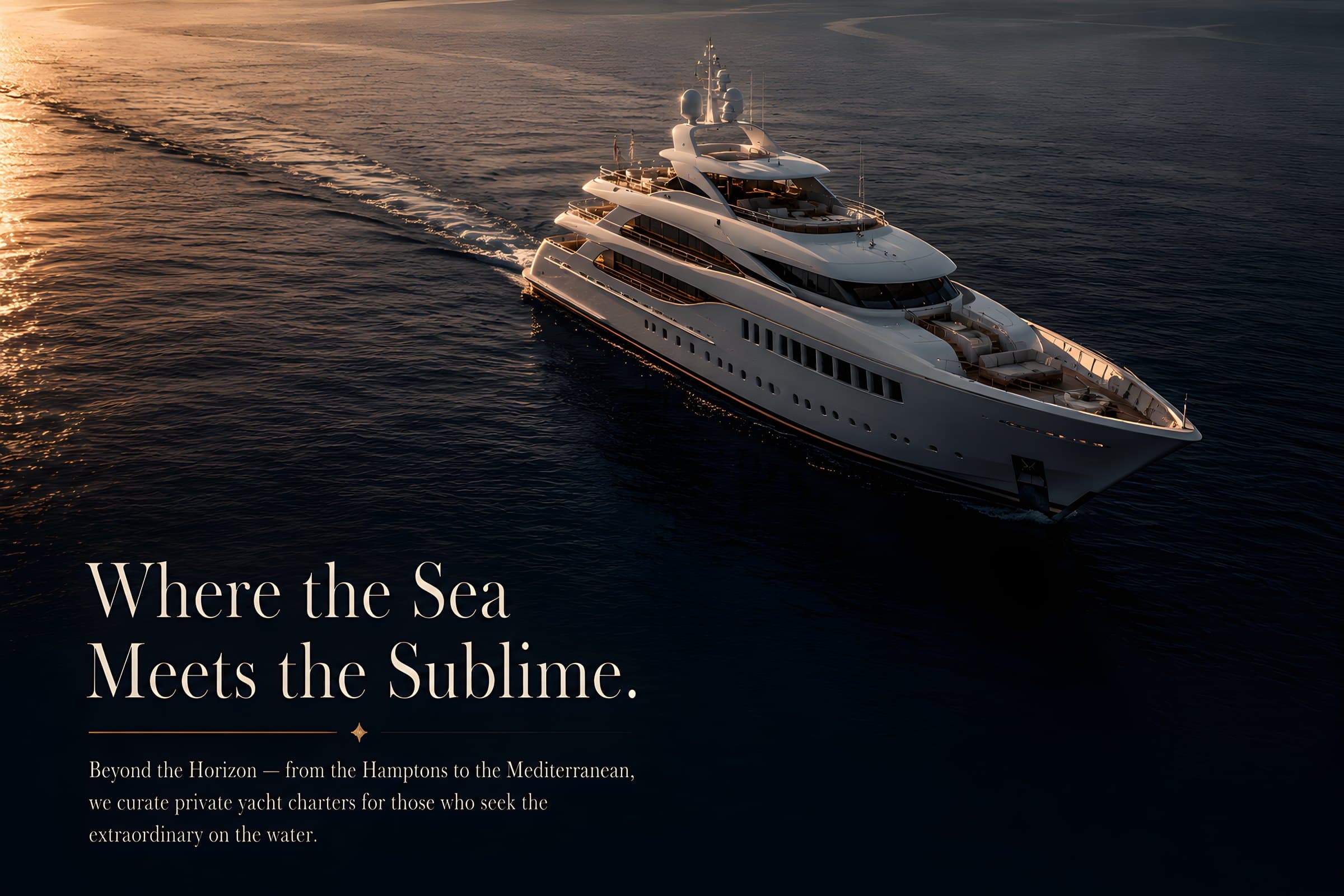
The first decision, and the most consequential, is the vessel itself. A 65-foot catamaran in the British Virgin Islands offers a fundamentally different experience from a 180-foot superyacht in the Mediterranean. The question is not which is better, but which is right for you: your party size, your preferred balance of adventure and relaxation, your sensitivity to motion, and the waters you wish to explore. A skilled charter broker begins here, matching vessel to vision before discussing destinations or dates.
Crew is what first-time charterers think about last and repeat charterers think about first. The captain sets the tone: formal or relaxed, adventurous or serene. The chef can transform a charter from pleasant to unforgettable. Many repeat charter clients follow their preferred crew from vessel to vessel, a testament to the intimacy of the relationship that develops over a week at sea.
Provisioning deserves more attention than it typically receives. The best charter experiences are those where every preference has been anticipated: the specific vintage your party favors, the dietary requirements of each guest, the toys and equipment that align with your interests. A comprehensive preference sheet, completed weeks before departure, lets the crew arrange every detail in advance. There should be no moment aboard when you need to ask for something that should already be there.
The charter agreement itself warrants careful review, particularly the distinction between all-inclusive and plus-APA (advance provisioning allowance) pricing models. An all-inclusive charter simplifies budgeting but may constrain the crew's ability to customize. A plus-APA model offers more flexibility but requires comfort with variable costs. Neither is better. The question is whether you would rather settle the number now and accept a narrower brief, or keep the brief open and settle up at the end.