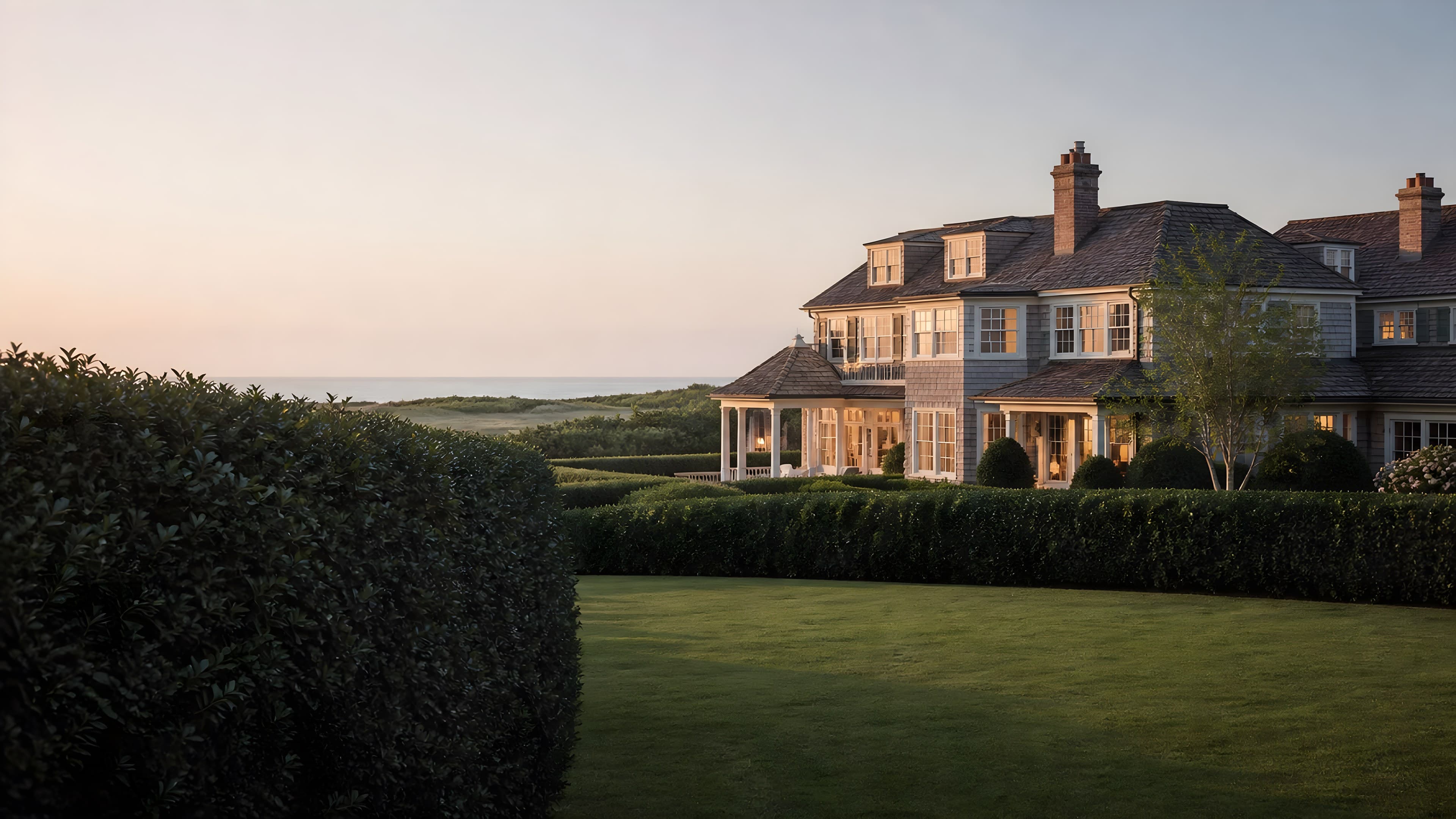
All waterfront is not the same water. The essential first distinction in South Florida runs between the open Atlantic, the protected Intracoastal Waterway, and the bays, and each carries different implications for how a property lives, what it demands, and how it holds value.
Direct oceanfront offers the horizon: the unrepeatable asset. It also accepts the full weather of the Atlantic, which makes the quality of construction a first-order question rather than an inspection footnote: impact glazing, elevation, the maintenance history of everything that faces the salt. Intracoastal and bayfront positions trade the open horizon for calmer water, protected dockage, and, for yacht owners, the practical question that often decides the search: what can be berthed at the residence, at what draft, with what bridge clearances between the dock and open water.
For buyers with vessels, dockage diligence is its own discipline. Seawall condition and age, dock permits and their transferability, water depth at mean low tide, and the navigational route to the inlet deserve the same attention as the residence itself. A dock that cannot accommodate the owner's boat is a garden ornament; we have seen searches reordered entirely once the marine facts were established.
Resilience diligence has become standard practice at the top of the market. Flood zone designation, structural elevation, the age and engineering of the seawall, roof and opening protection, and the insurability picture of carriers, coverage, and premium history now belong in every serious evaluation. None of this diminishes the appeal of the coast; it simply belongs to informed stewardship, and sellers with well-documented, well-maintained properties are advantaged accordingly.
The condominium-versus-house decision reads differently here than in New York. South Florida's premier condominiums, along Miami Beach's oceanfront, Bal Harbour, and the newer towers rising north, offer full-service living, hotel-grade amenities, and lock-and-leave simplicity that suits owners dividing the year among residences. Recent years have also brought closer scrutiny of building governance: reserve funding, structural inspection history, and the quality of the association's management are now central diligence items, and rightly so. Single-family ownership on Palm Beach or the gated islands offers land, privacy, and control, with the full responsibilities of coastal stewardship attached.
Micro-market fluency matters more than regional narrative. Palm Beach, the North End and the Estate Section trade on different logic than Miami Beach's islands; Fort Lauderdale's canal estates serve the yachting life like nowhere else; Bal Harbour and Surfside offer a quieter oceanfront address minutes from Miami's energy. The right introduction is a matter of matching a principal's actual life to the shoreline that serves it: season, boats, family, privacy.
New development along the coast continues to draw buyers who value contemporary engineering as much as finish. Pre-completion purchases require the same disciplines as anywhere, offering plan review, deposit structure, and delivery timelines among them, with the additional coastal question of how a building is engineered for its site. The premier sponsors treat resilience as a selling point and document it; that documentation is worth reading.
Seasonality shapes process. The market's deepest activity runs through the winter season, when the coast is fullest; summer offers quieter negotiations and, at times, more flexible counterparties. Neither season is categorically better for a buyer, but timing a search with intent, rather than by accident, is one more way the informed principal keeps the advantage.